Over the past year or so, I've been working with other
BlueSCSI
developers to add Wi-Fi functionality to their open-hardware SCSI device,
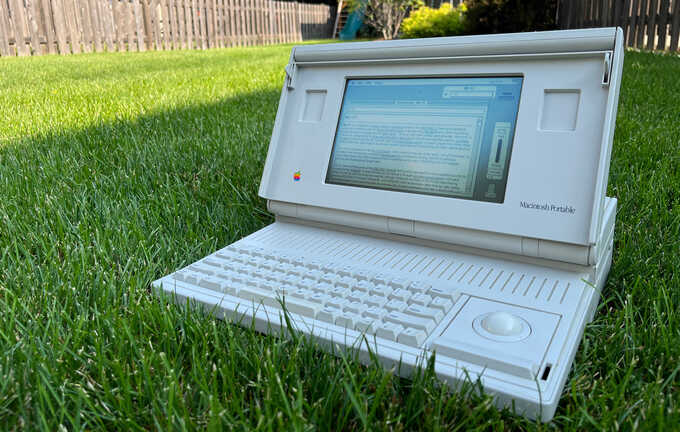
enabling Wi-Fi support for old Macs and other vintage computers going back some
36 years.
I've been operating
Pushover's
public-facing
API
for
over a decade
now and I thought I'd pass on some advice for those creating a new API.
Pushover's API might be unusual in that it is used by a wide range of devices
(embedded IoT things, legacy servers, security cameras, etc.) and HTTP
libraries, rather than mostly being accessed from JavaScript in the latest web
browsers.
It also doesn't process sensitive financial information, so the advice given
here may not be applicable to something operating like Stripe's API.
As a frequent reader of the
retrobattlestations
and
VintageApple
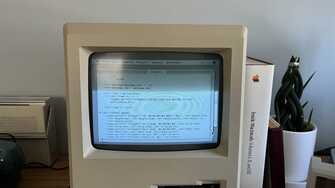
subreddits, I see a lot of photos of CRT screens that show significant scanlines
resulting in images like the one on the left.
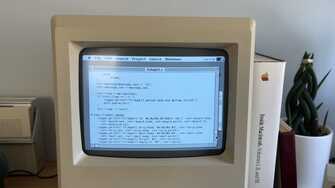
With a simple post-processing tip on the iPhone (though there is probably a
similar technique for Android phones), it's easy to fix this photo after it's
been taken so it looks like the one on the right:
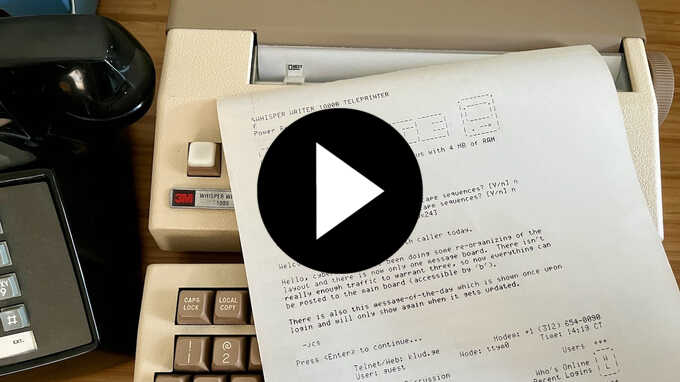
I recently acquired a 3M Whisper Writer 1000 communications terminal circa 1983,
and restored it to working order.
This is a short session of it dialing into my
Kludge BBS
(hosted on a Macintosh Plus circa 1986)
over its internal 300 bps modem.
In 2015, I
wrote a custom BBS server in Ruby
and had been using it to run my Kludge BBS on a small OpenBSD server in my
home office since then.
Last year after writing a lot of
C on my Macintosh Plus,
I had the itch to write a new BBS server so I could move my BBS to run on
another Mac Plus.
As with all software development projects, it took quite a bit longer than
expected, but last month I finally got far enough with the development to deploy
the new BBS on a Mac Plus.
posted on february 21st, 2022
with tags
mac,
openbsd, and
vintagecomputing
last updated on march 26th, 2022
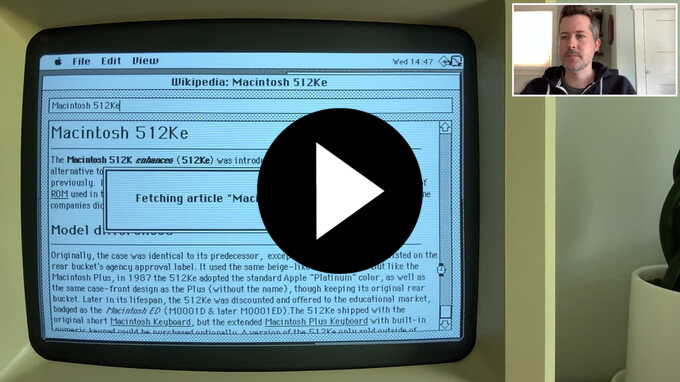
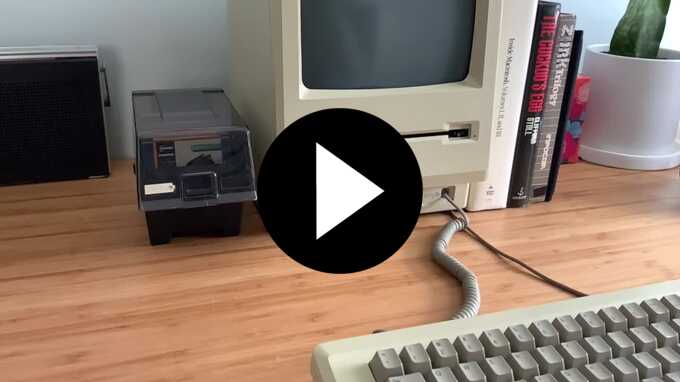
Since recording a handful of
C Programming on System 6
videos, I've occasionally wanted to live-stream the more casual daily
programming being done on my Macintosh Plus.
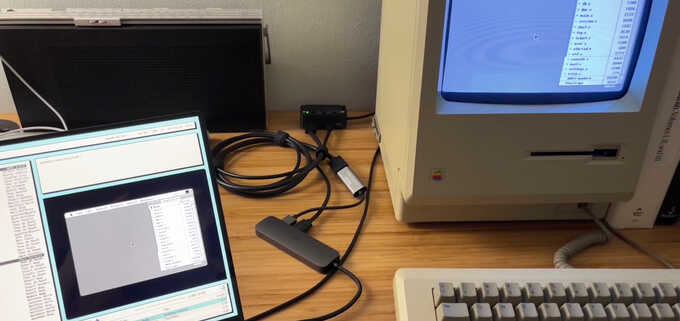
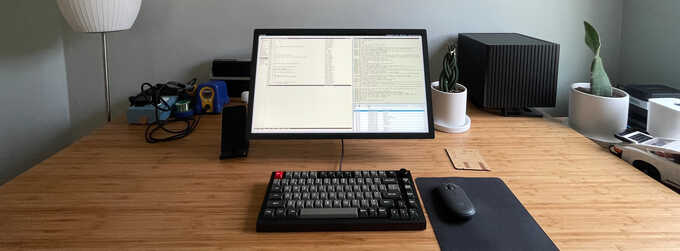
After getting all of the pieces together, I now have a working self-hosted
broadcasting setup.
If I happen to be programming on my Mac right now, you can watch
here at my website.
Introducing my
Wallops
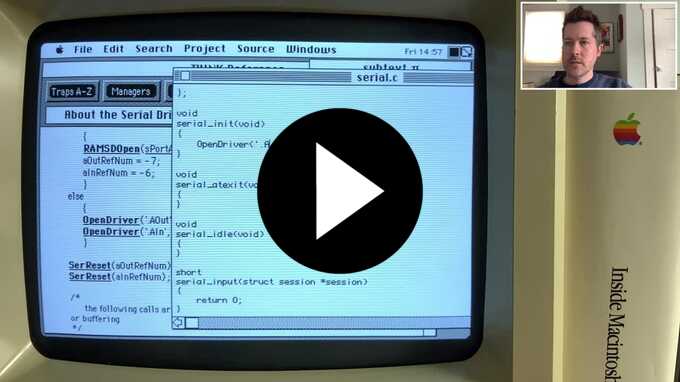
IRC client, then returning to work on the BBS adding a serial module to join the
console and telnet inputs to allow calls through a modem.
I got stuck for a while trying to figure out why writes to the serial port would
hang the machine.
I was trying to use a V4L2
Ruby module
on my OpenBSD laptop but ran into a problem where sending the V4L2 ioctls from
this module would fail, while other V4L2 programs on OpenBSD worked fine.
Since I got a few
questions
recently about kernel development and debugging, I thought I'd write up how I
finally tracked it down and fixed it.
(Spoiler: it was not an OpenBSD problem.)
posted on july 19th, 2021
with tags
hardware and
openbsd
last updated on january 26th, 2022
After the disappointment of my
X1 Nano
and learning that all future Intel "Evo"-branded laptops would lack S3 suspend,
I started thinking about returning to my M1 MacBook full-time or building an
OpenBSD desktop.
I chose the latter, building my first desktop machine in many years.
A bug in
Amend
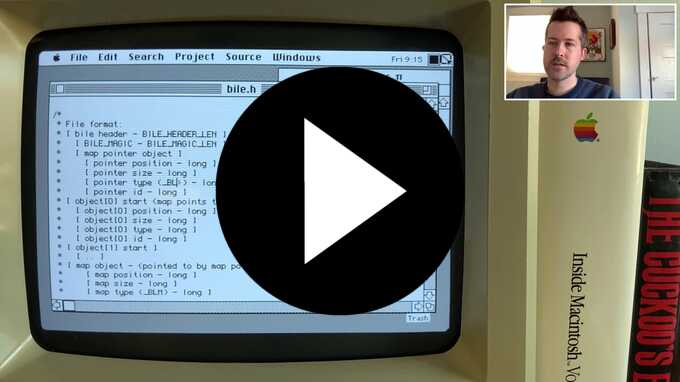
caused it to crash during a commit, which corrupted the repo beyond repair.
I quickly came to realize that using resource files as a database for Amend and
my new BBS was a bad idea.
I NIH'd the problem and created my own file format that will be a bit more
resilient to crashes and partial writes.
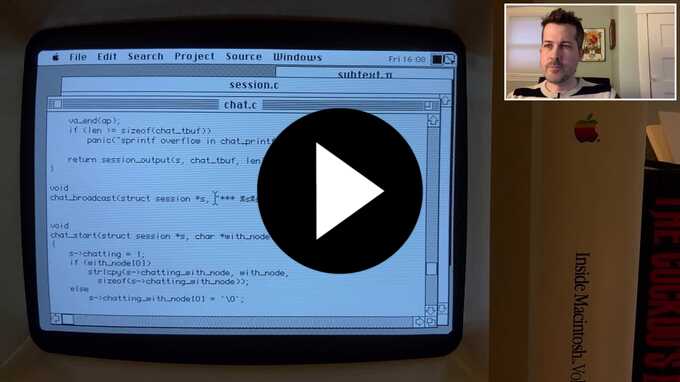
I review some recent commits covering user authentication and telnet
negotiation, then write some ANSI output code and a broken function for
returning a number's ordinal suffix.
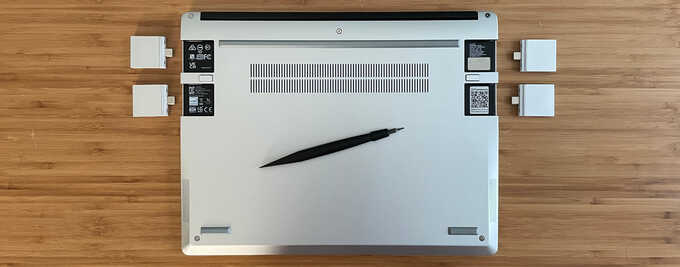
Framework
is a new company offering a laptop that is designed to be repairable and
upgradeable, both in terms of internal components like the screen and
motherboard, and in pluggable
expansion cards.